
Beyond Access: Bay Area Equity Symposium 2026 Inspires Action and Leadership
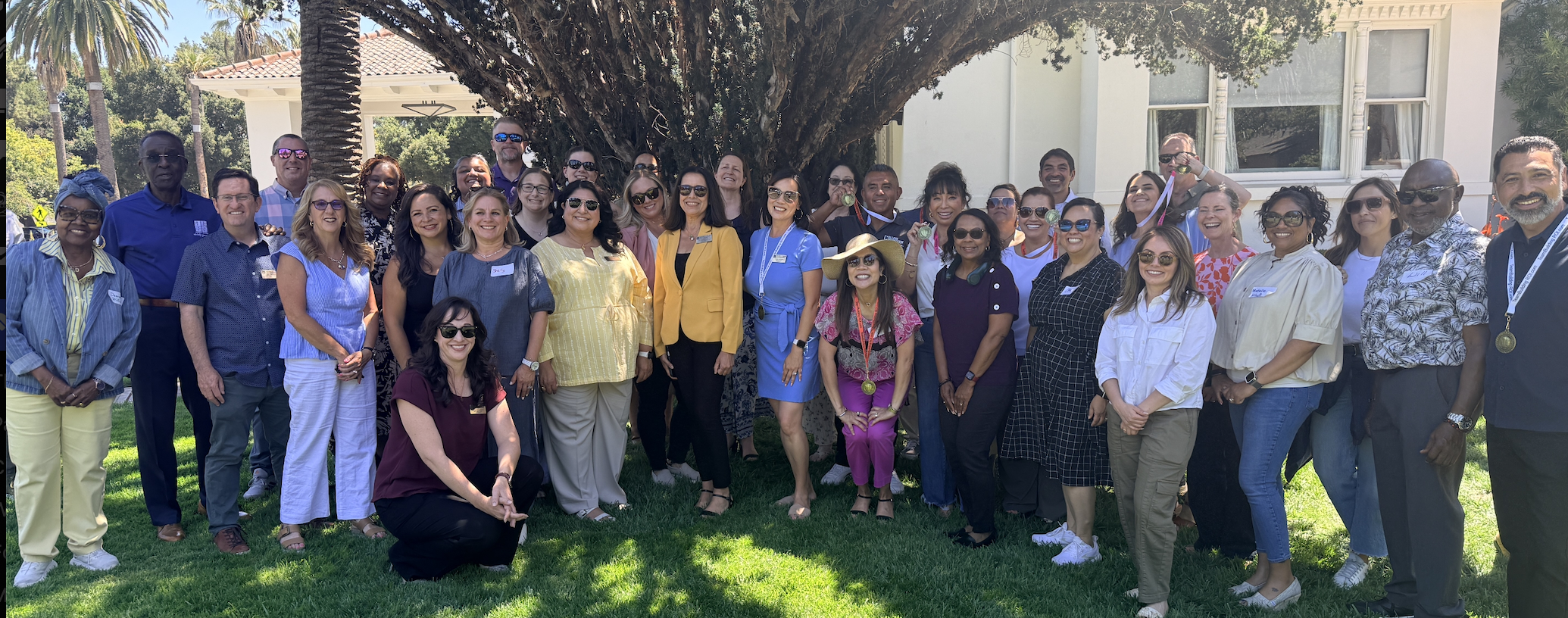
On March 28, 2026, educational leaders from across the Bay Area gathered at Santa Clara University for the Bay Area Equity Symposium: Beyond Access—Empowering Leaders, Transforming Systems, a powerful, collaborative event hosted by ACSA Regions 5, 6, and 8.
The symposium brought together educators, administrators, and advocates committed to advancing equity-driven leadership and creating systems that better serve all students—particularly those historically marginalized.
A Powerful Opening: Keynote by Dr. Daryl Camp
The day began with a compelling keynote from Dr. Daryl Camp – Superintendent of San Lorenzo Unified and ACSA State President, whose message challenged leaders to move beyond surface-level solutions and into meaningful, systemic change.
Dr. Camp emphasized that equity is not simply about access—it is about outcomes, belonging, and the intentional redesign of systems. His call to action encouraged leaders to reflect on their role in disrupting inequities and to lead with courage, clarity, and purpose.
Centering Student Voice: A Defining Moment
One of the most impactful sessions of the day was the Student Panel, thoughtfully moderated by Dr. Roxane Fuentes – Superintendent of Berryessa Union and ACSA State Vice President, whose leadership created a space for authentic dialogue and deep reflection.
Students shared their lived experiences within our educational systems—offering honest insights into barriers, supports, and what meaningful equity looks like in practice. Their voices grounded the symposium in truth and urgency, reminding attendees that this work must always be centered on those we serve.
Dr. Fuentes guided the conversation with intention and care, elevating student voice in a way that challenged leaders to listen more deeply and act more boldly.
Equity is not something we do for students—it is something we build with them.
Deepening the Work: Sessions that Moved Leaders to Action
Beyond the keynote and student panel, breakout sessions throughout the day pushed leaders to examine their systems through a sharper equity lens.
Participants explored how predictable systems, clear processes, and consistent expectations reduce student burden and create more equitable experiences. Conversations surfaced the impact of discretionary decision-making and the importance of aligning practices across schools and departments to ensure fairness and access.
Sessions also highlighted the need to move from access to belonging—challenging leaders to ask not only “Can students get in?” but “Do students feel seen, supported, and valued once they are there?”
Leaders engaged in practical strategies such as:
-
Auditing existing systems and processes for barriers
-
Simplifying pathways for students and families
-
Building intentional feedback loops that include student voice
-
Designing supports that are proactive rather than reactive
These conversations reinforced a critical truth:
Equity work requires clarity, consistency, and the courage to confront inequities within our own systems.
A Day of Collaboration and Commitment
Throughout the symposium, leaders built connections across districts and roles, sharing ideas and strengthening a collective commitment to equity-driven leadership. The energy in each session reflected a shared understanding that this work cannot happen in isolation—it requires collaboration, reflection, and sustained action.
Moving Forward
The Bay Area Equity Symposium was more than a one-day event—it was a catalyst for continued growth and transformation. Leaders left not only inspired, but equipped with tools and strategies to bring back to their schools and districts.
As we reflect on the day, one message remains clear:
Equity is not an initiative—it is a responsibility.
ACSA Regions 5, 6, and 8 remain committed to creating spaces where leaders can grow, connect, and lead the change needed to ensure every student experiences not just access, but belonging and success.
Key Note Recap: https://youtu.be/xODa2N00lZ0
 |
 |
 |
 |
 |
 |
 |
 |
 |
 |
 |
 |